



Hospital Elevators
Hospital elevators are a critical component of modern healthcare infrastructure, designed to ensure the efficient and safe movement of patients, medical personnel, equipment, and visitors within a healthcare facility. Unlike standard elevators, hospital elevators are tailored to meet the unique demands of a healthcare environment, including patient comfort, hygiene, and operational reliability.
Key Features of Hospital Elevators
Spacious Design:
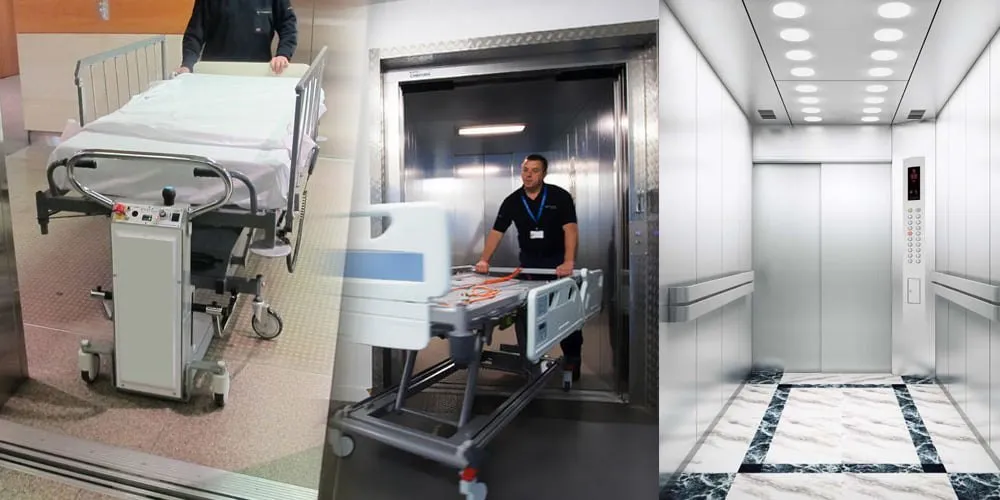
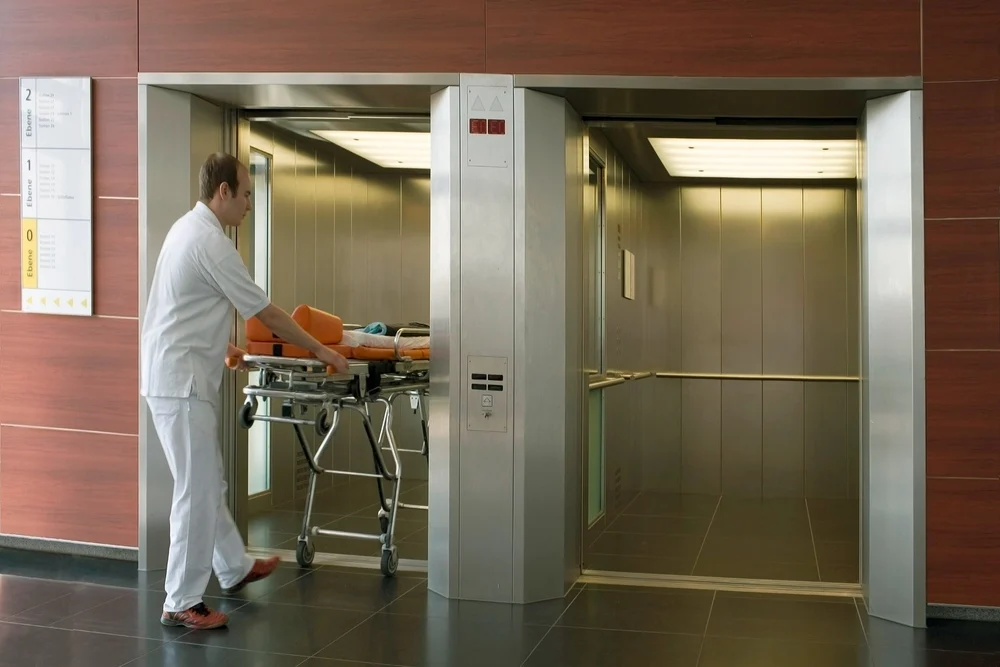
Hospital elevators are often larger than standard elevators to accommodate stretchers, wheelchairs, and medical equipment without crowding.
Smooth and Quiet Operation:
These elevators are designed for a smooth ride to ensure patient comfort and minimize disturbances in sensitive hospital environments.
Hygienic Surfaces:
Materials used in hospital elevators, such as stainless steel and antimicrobial coatings, help maintain a sterile environment, reducing the risk of cross-contamination.
Advanced Safety Features:
Hospital elevators include backup power systems, priority service controls for emergency situations, and safety mechanisms to ensure reliable operation.
Accessibility:
They are equipped with features such as low-height control panels, braille buttons, and audio announcements to cater to all users, including those with disabilities.
Integration with Hospital Workflow:
These elevators are often programmed to prioritize emergency needs, such as rapid transport to operating theaters or intensive care units.
Importance of Hospital Elevators
Hospital elevators play a vital role in maintaining the efficiency and functionality of healthcare facilities. They ensure:
- Timely Patient Care: Quick and reliable transportation of patients, especially in critical situations.
- Staff Productivity: Facilitating smooth movement for medical staff, enabling them to focus on patient care rather than logistical challenges.
- Visitor Convenience: Enhancing the experience for visitors by providing safe and accessible transport within the hospital.